

A Pneumatic Actuator is often the practical answer when industrial users need fast, repeatable, and dependable valve movement without relying on complex electric drive systems. In demanding environments, buyers usually face the same questions: Will it respond quickly enough? Will it survive moisture, dust, vibration, or frequent cycling? Will maintenance become expensive over time? This article explains how a Pneumatic Actuator helps solve these pain points, what types are available, how to choose the right model, and what details matter most before purchase. It also introduces how Taizhou Juhang Automation Equipement Technology Co.,Ltd. supports applications that require stable control performance across different operating conditions.
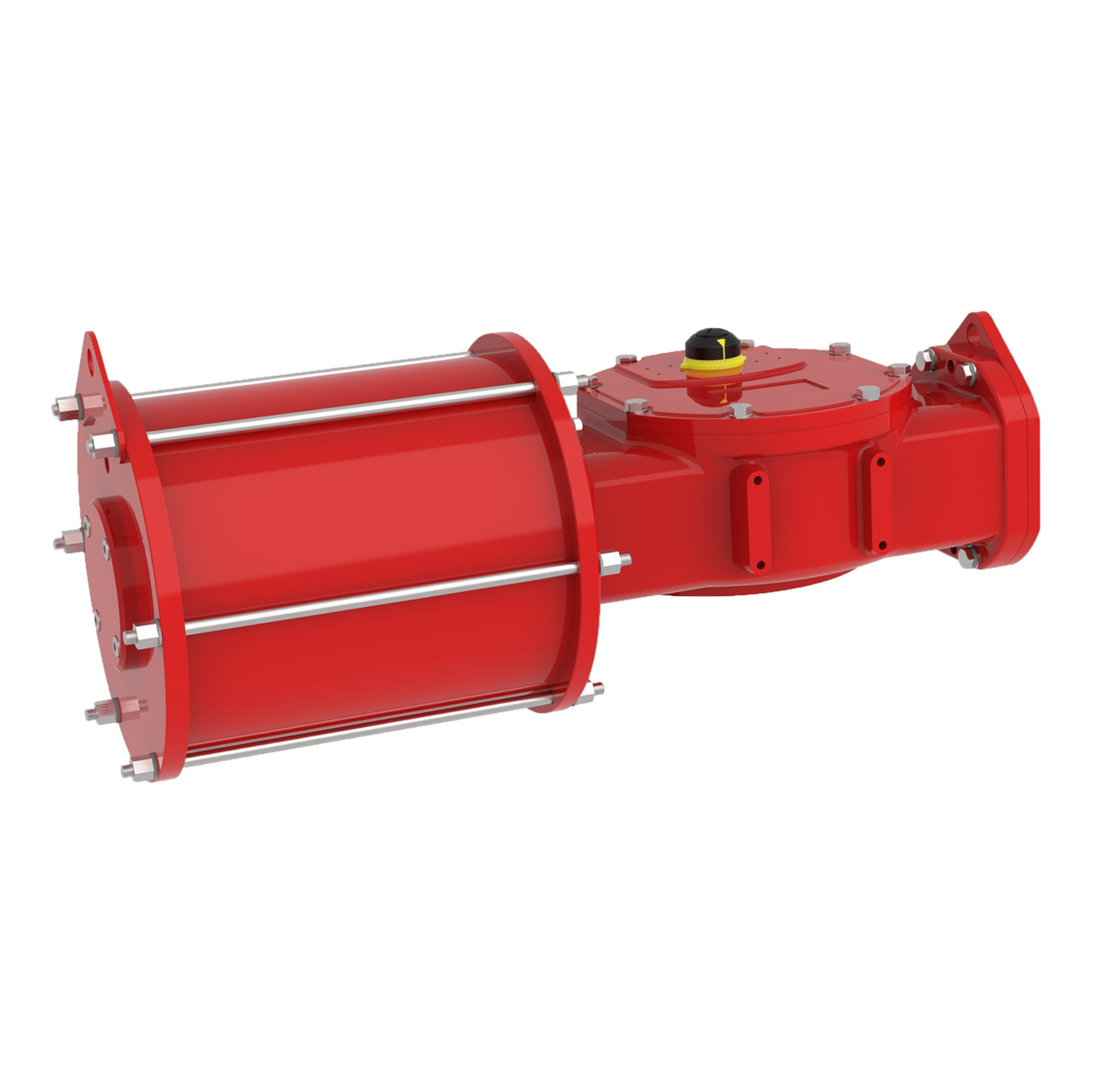
Many industrial sites do not struggle because valves are unavailable. They struggle because valve movement is inconsistent, slow, labor-intensive, or difficult to control under real operating pressure. That is where a Pneumatic Actuator becomes valuable. Instead of depending on manual operation or a more complicated drive arrangement, it uses compressed air to convert energy into controlled mechanical motion for quarter-turn or other movement tasks.
For plant operators, the pain points are familiar. Some need higher switching frequency without wearing out equipment too quickly. Some need emergency action when power conditions are unstable. Others simply want a cleaner automation method for ball valves, butterfly valves, or plug valves in systems that already use compressed air. In these cases, the right actuator is not just a component. It becomes part of the site’s operating stability.
Buyers also worry about hidden risks. A low-quality actuator may show unstable output torque, poor sealing, internal friction, or premature spring fatigue. These problems do not always appear immediately. They show up after repeated cycles, temperature changes, or exposure to corrosive surroundings. Choosing well from the beginning is cheaper than dealing with unplanned stoppages later.
In short, the real value of a Pneumatic Actuator is not only movement. It is consistent valve response, safer operation, lower manual intervention, and better confidence in daily production.
At its core, a Pneumatic Actuator uses compressed air to create force inside the actuator body. That force moves internal mechanical parts and converts air energy into rotary or linear motion. In valve automation, rotary output is especially common because many valves operate with a quarter-turn motion.
In actual industrial service, this simple principle brings several practical advantages. Air systems are widely used, response can be quick, and motion remains repeatable when the actuator is properly sized. This is particularly useful in process lines where valves must open and close many times a day without hesitation.
The performance users care about most usually includes these factors:
When designed and selected correctly, the actuator becomes easy to integrate with solenoid valves, limit switches, position indicators, and manual override systems. That flexibility matters a lot in plants that need both automation and service convenience.
Not every Pneumatic Actuator serves the same operating target. The correct structure depends on torque demand, available space, valve size, and safety requirements. The decision becomes much easier when buyers compare the main categories in a practical way.
| Type | Best Use | Main Advantage | What Buyers Should Watch |
|---|---|---|---|
| Rack and Pinion | General quarter-turn valve automation | Compact design, fast response, broad application range | Torque curve should match valve demand across the full stroke |
| Scotch Yoke | Higher torque applications and larger valves | Strong torque output where breakaway torque is critical | Size, weight, and installation space need careful review |
| Double Acting | Sites with stable air supply and frequent cycling | Air-powered motion in both directions, efficient for repetitive operation | Loss of air means no spring-driven return action |
| Spring Return | Safety-related shutoff or fail-safe duties | Returns to preset position when air supply is lost | Spring package and torque margin must be correctly selected |
| Stainless Steel Construction | Corrosive, humid, or hygienic environments | Better resistance to harsh surroundings | Material grade and sealing quality still matter |
If you are automating standard butterfly or ball valves in common plant conditions, rack and pinion designs are often the first choice because they balance size, speed, and economy well. If your application demands heavier torque output, especially at the beginning and end of rotation, a scotch yoke design may be more suitable.
The return mode is equally important. Double acting units are efficient and popular for controlled cycling, while spring return versions are preferred when a defined safety position is essential. This is why selection should always begin with the operating goal, not with price alone.
Choosing a Pneumatic Actuator only by valve size is one of the most common mistakes. A better purchasing process starts with the real operating conditions of the site. Torque requirement, air pressure range, ambient conditions, switching frequency, and control accessories all affect long-term results.
Before making a final choice, buyers should check the following points:
Serious buyers also look beyond the data sheet headline. They ask how the actuator performs after repeated service, whether the supplier can support customization, and how easy replacement parts will be to obtain later. These are not small details. They influence the total cost of ownership far more than the initial unit price.
Durability is rarely the result of one feature alone. A longer-lasting Pneumatic Actuator usually comes from the combination of body material, machining accuracy, internal friction control, sealing design, and quality consistency in production. Even a visually similar actuator can behave very differently over time if these basics are weak.
One of the main differences lies in internal wear. When friction is poorly controlled, moving parts lose efficiency and sealing surfaces degrade faster. That leads to unstable movement, air leakage, reduced torque output, and service interruptions. Good design helps reduce these risks by supporting smoother motion and more balanced force transmission.
Material choice matters too. Aluminum alloy structures are often chosen for their balance of strength and weight, while stainless steel options are valuable in more aggressive environments. Spring systems, seals, shaft interfaces, and coatings also influence how well the unit resists corrosion, moisture, and temperature change.
This is one reason many buyers prefer to work with a manufacturer that focuses on actuator engineering rather than treating it as a side product. Taizhou Juhang Automation Equipement Technology Co.,Ltd. presents pneumatic actuator solutions in multiple structural forms, including rack and pinion, stainless steel, and scotch yoke options, which helps buyers match the design more precisely to the job instead of forcing one configuration into every situation.
Most maintenance cost does not come from routine inspection. It comes from unexpected interruption. That is why a good Pneumatic Actuator should be chosen with service strategy in mind. Plants that save money over the long term usually do three things well: they size correctly, they maintain air quality, and they inspect critical wear points before failure occurs.
To reduce downtime, operators should focus on these practical steps:
Buyers sometimes ask whether a lower initial price saves money. In many cases, it does not. If the unit requires frequent attention, causes repeated shutdowns, or struggles in harsh conditions, the cost appears later in maintenance labor, lost production, and replacement scheduling. The smarter purchase is usually the one that stays predictable.
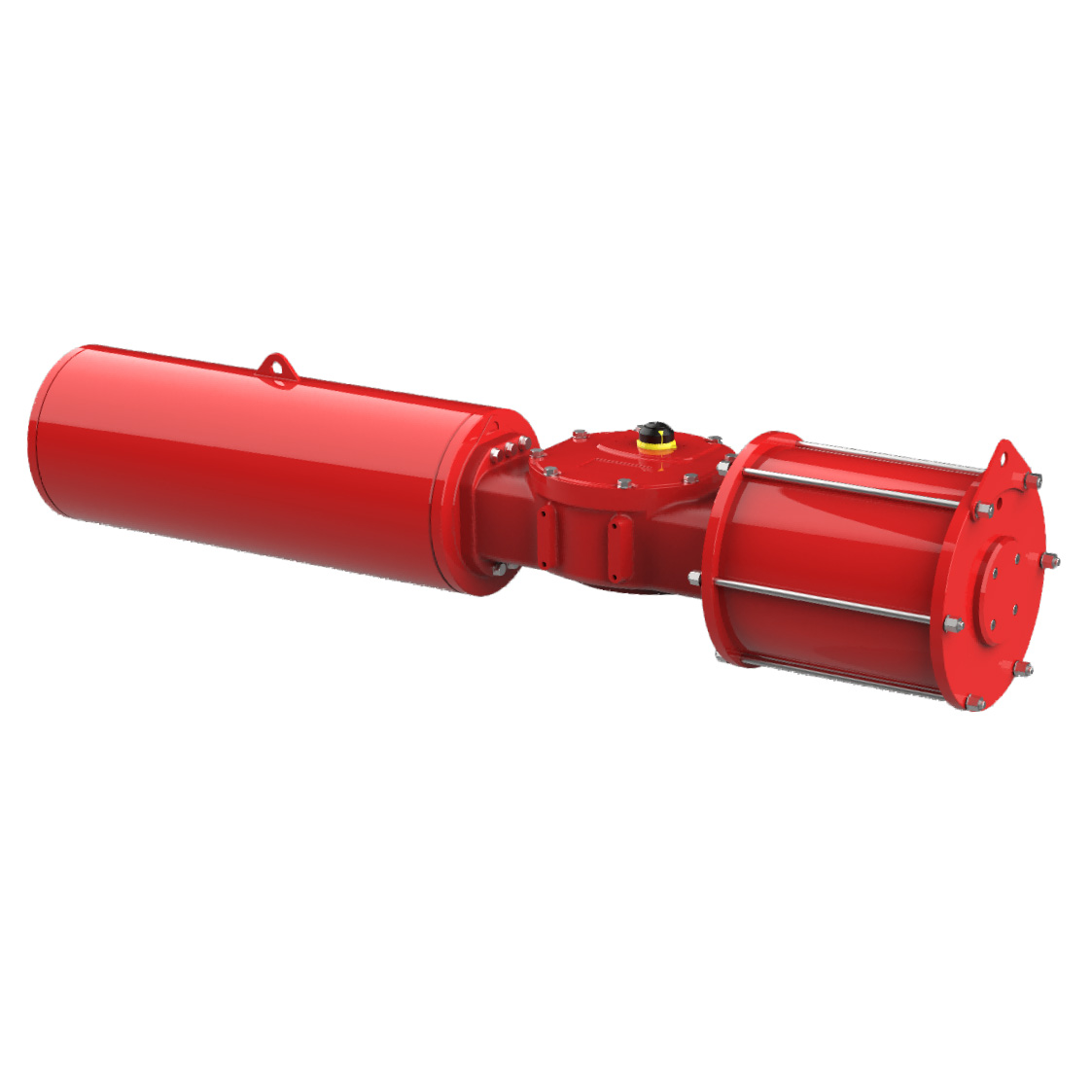
A reliable supplier does more than ship hardware. The supplier should understand torque matching, valve behavior, installation constraints, and the service reality of your plant. That makes communication more accurate from the beginning and reduces the chance of selection errors that only become visible after commissioning.
Strong supplier support often includes:
Taizhou Juhang Automation Equipement Technology Co.,Ltd. is associated with pneumatic actuator manufacturing and offers different configurations for valve automation applications, including rack and pinion and scotch yoke styles, as well as options suited to varying environmental and torque requirements. For buyers, that kind of range matters because it makes solution matching more practical and more precise.
When the supplier understands both the product and the use case, the buying process becomes much smoother. You spend less time correcting mismatched specifications and more time building a system that performs the way it should.
A well-selected Pneumatic Actuator can solve more than a valve movement problem. It can improve process consistency, reduce manual workload, support safer shutdown logic, and lower lifecycle disruption. That is why serious buyers look beyond appearance and focus on structure, torque fit, material quality, and supplier reliability.
If you are looking for a more dependable valve automation solution for your project, contact us to discuss your operating conditions, torque requirements, and application goals. The team at Taizhou Juhang Automation Equipement Technology Co.,Ltd. can help you identify a more suitable Pneumatic Actuator for stable, long-term performance.


